Solar Energy on farmland is good?

Updated: Aug 31
Commercial benefits to farmers, communities, and the environment?
The idea of placing solar panels on farmland often sparks debate. Some see it as new energy luxury or an unnecessary disruption to traditional farming. This view overlooks the urgent realities of climate change and the growing demand for clean energy. Integrating solar energy into farmland is not just a possibility; it is a necessity for building a sustainable future. This post explores why solar energy on farmland should be embraced, how agrivoltaics works, and the multiple benefits it offers to farmers, communities, and the environment. Below we will explain some of the challenges, opportunies and risks.
Article is based on the following Linkedin post

Solar panels on farmland is good or bad?
Many people believe that using farmland for solar energy is a luxury choice, something only wealthy or progressive farmers can afford or consider. This misconception ignores the pressing challenges that agriculture and energy sectors face today. Farmland is often seen as sacred ground reserved solely for growing food. While food production is critical, the planet’s changing climate and rising energy needs demand new approaches.
Climate change is already affecting crop yields, water availability, and farming conditions worldwide. At the same time, energy consumption continues to rise, with a growing need to shift away from fossil fuels. Solar energy on farmland offers a practical solution that addresses both issues simultaneously. It is not a luxury but a strategic adaptation to ensure farms remain productive and resilient.
Climate change demands more energy growth
The global climate crisis is intensifying droughts, heatwaves, and unpredictable weather patterns. These changes threaten food security and the livelihoods of farmers. At the same time, the world’s energy demand is expected to increase significantly in the coming decades. Meeting this demand with renewable sources like solar power is essential to reduce greenhouse gas emissions.
Agriculture itself contributes to climate change but also suffers from its impacts. Integrating solar energy into farmland can help reduce the carbon footprint of farming operations by providing clean electricity for irrigation, machinery, and storage. It also supports the broader energy transition needed to limit global warming.
Understanding Solar, Economics & Benefits
Agrivoltaics is the practice of combining agriculture and photovoltaic solar panels on the same land. Instead of dedicating farmland solely to crops or solar panels, agrivoltaics allows both to coexist and thrive. This approach offers several important benefits:
Electricity generation
Solar panels produce clean energy that can power farms and nearby communities. This reduces reliance on fossil fuels and lowers energy costs for farmers.
Continued farming
Crops grow beneath or between solar panels, allowing farmers to maintain food production. Certain crops even benefit from the partial shade provided by panels.
Reduced water stress
Solar panels provide shade that lowers soil temperature and reduces evaporation. This helps conserve water, a critical advantage in drought-prone areas.
Improved crop resilience
Shade from panels can protect crops from extreme heat and sun damage, improving yields and quality.
Diversified farmer income
Farmers earn revenue from both crop sales and solar energy production. This financial diversification can stabilize income in uncertain markets.
Examples of solar agrivoltaics panels on farmland
Several projects worldwide demonstrate how agrivoltaics works in practice. In Japan, farmers grow leafy greens and strawberries under solar panels, benefiting from cooler microclimates. In the United States, vineyards use solar arrays to protect grapes from heat stress while generating electricity. These examples show that solar and farming can complement each other rather than compete.

Multi-functional farmland for world in crisis
The challenges of climate change, food security, and energy demand require innovative land use strategies. Farmland is a limited resource that must serve multiple purposes. Agrivoltaics represents a smart way to maximize land productivity by combining food and energy production.
This multi-functional approach supports climate resilience by reducing water use, lowering emissions, and protecting crops. It also strengthens rural economies by providing new income streams and energy independence. As the world faces overlapping crises, integrating solar energy into farmland is a practical step toward sustainable agriculture and a cleaner energy future. Thus, farmers can go forward with solar integration into farmland.
Going forward with solar integration on farmland
Farmers, policymakers, and communities should consider agrivoltaics as a viable option rather than a luxury. Supportive policies, technical assistance, and education can help overcome barriers to adoption. Research continues to identify the best crops and solar configurations for different regions. We help you choose between energy technologies.
By embracing solar energy on farmland, we can build stronger, more resilient food systems and contribute to global climate goals. The future of farming depends on innovation that balances productivity, sustainability, and energy needs. We are here to help. Contact us.
Solar panels to shield noice on the highways
In Germany, they build the hightway walls with solar panels because the solar panels are cheaper than wood or bricks creating sound insulation on highway.
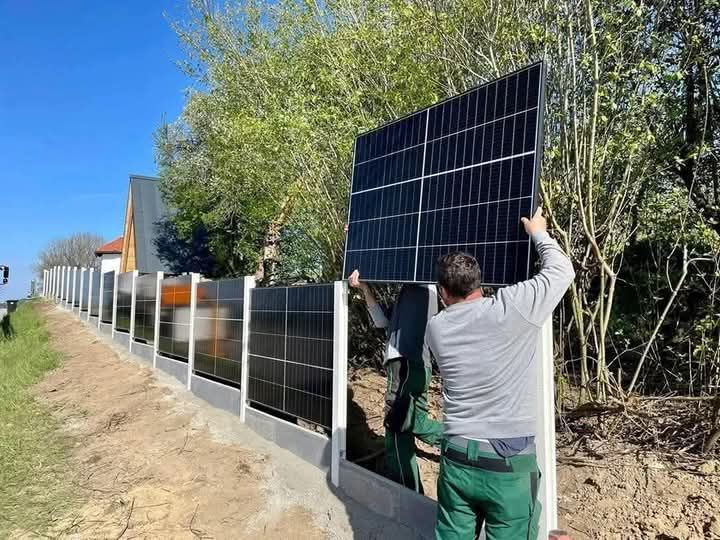
We at Nordgården can also work with Berlin company like https://sunsharetek.com

Article also based on the following Linkedin post


Comments