


Core Stages of Design Thinking
- Bjarne Jensen
- 18. jul. 2024
- 3 min læsning

Think Like Steve Jobs: How Design Thinking Leads to Creativity. Design thinking showed us that Apple was a company with a soul and vision, and this message continues to resonate with customers even today. Jobs not only conveyed to people what he was selling, but he also showed them why they needed it. Everything that any profession does — from research and development, to strategy, to content creation — can be improved through design thinking. Although this is a vastly creative process, design thinking has several identifiable stages, including:
Empathize
Define
Ideate
Prototype
Test & Evaluate
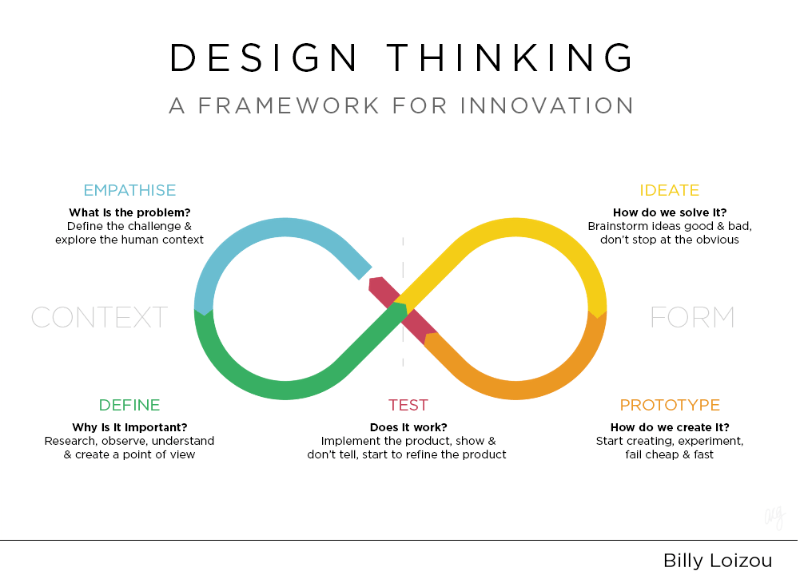
We’ll take a closer look at these steps using a case study from the oral health aisle of Watsons, a pharmacy chain.[5] 1. Empathize
This stage involves by collecting as much information about a field as possible. You may process raw data, consult with experts, and get as much background as possible to envision a better future.
By collecting data, Watsons realized that many shoppers visited the oral hygiene section of their pharmacies, but they often walked away empty-handed. Watsons developed a collaborative relationship with two other companies so that they could figure out why people weren’t making purchases. 2. Define
After you have enough background information, define what customers need. Conducting formal and informal surveys to gather customers’ feedback. Watch how people interact with the products and listen to how they describe the products.These observations allow businesses to figure out what people need and what is holding them back from getting what they want.[6]
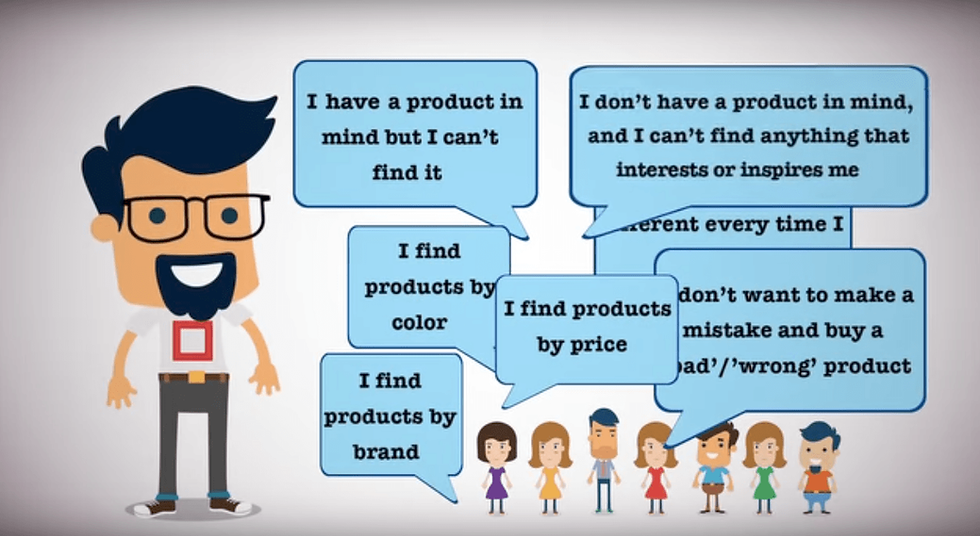
The Watsons team interviewed shoppers and listened to anecdotes about their shopping experiences. Customers gave the company a variety of reasons why it was difficult to find the oral health products that they wanted. People said things like, “The shelf looks different every time I shop here,” or “I can’t find the product I’m looking for.”
3. Ideate
After you understand your customers’ pain points, work to reconcile the difference between what they expect and what you produce. Look for patterns from customer feedback and brainstorm solutions based on the information that you’ve been given. Staying focused on solutions allows people to come up with alternatives that hadn’t existed before.
The team at the pharmacy reviewed all the data from customers and determined that most of them were plagued by the same problem. Many people claimed that they were not able to find the best product to fit their needs. In response to this, the collaborators decided that they needed to devise a system to make it easier for people to track down the toothpaste that was best for them.
4. Prototype
Design thinking requires novel solutions. The ideas may start as quick drawings or outlines, but they eventually become full-scale models. Along the way, incorporate feedback to remix and refine the solution until it is the best that it can be.
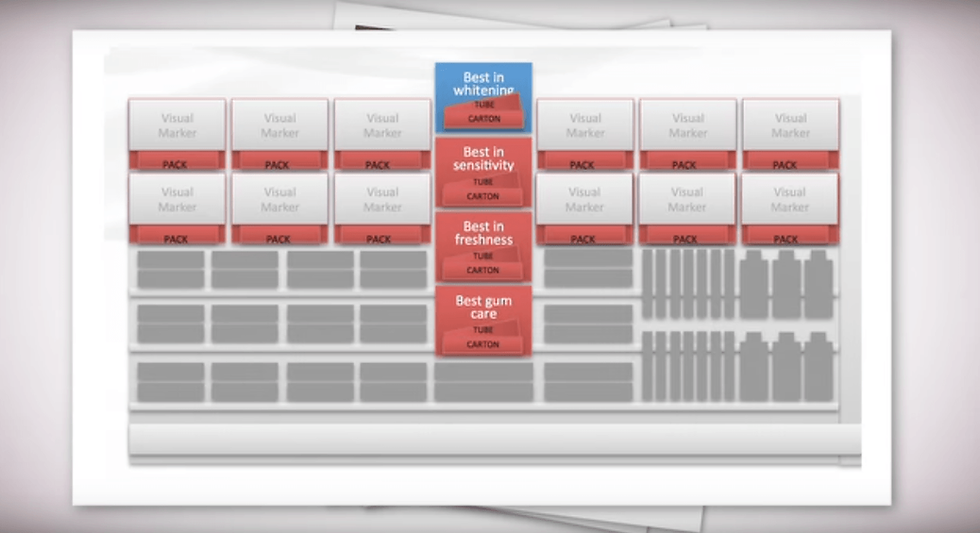
To make it easier for customers to find the perfect tube of toothpaste, Watsons and its collaborators decided that customers needed a “Quick Finder” system. They started out with rudimentary drawings, and consulted with customers and workers throughout the design phase. Eventually, they devised a prototype machine in which customers could input information about the product that they wanted. Whenever the system narrowed down the best products, it lit up a box around those products.
5. Evaluate
No solution is complete without testing to make sure that it effectively addresses the problem. In the evaluation phase, you run tests and obtain as much feedback as you can get. End-user input continues to be an important factor in this phase, but look at quantitative data also to ascertain if the prototype really worked.
To ensure that the prototype for the “Quick Finder” addressed customer needs, the team consulted with customers and store workers to see what they had to say about the new tool. They also had to compare oral care sales before and after the implementation of the new design in order to measure its impact.
Design Thinking Isn’t Just for Designers
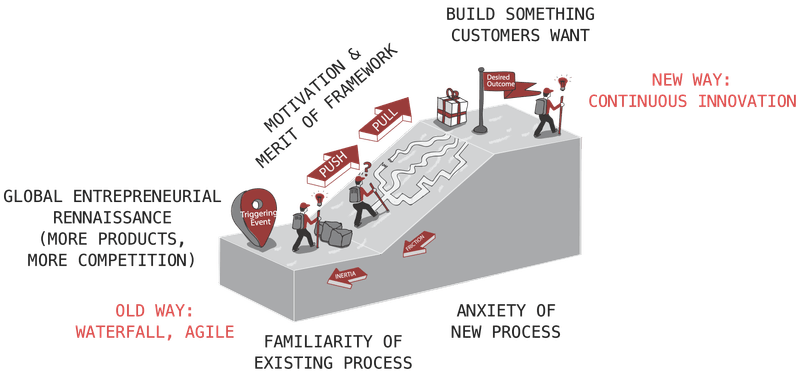
Anyone who needs to solve problems could benefit from adopting design thinking. It enables businesses to solve problems and come up with creative solutions by looking at issues holistically and addressing the needs of the end user.
When you put design thinking into practice, you have more space to innovate and you improve your audience’s experience with your company.

Kommentarer